
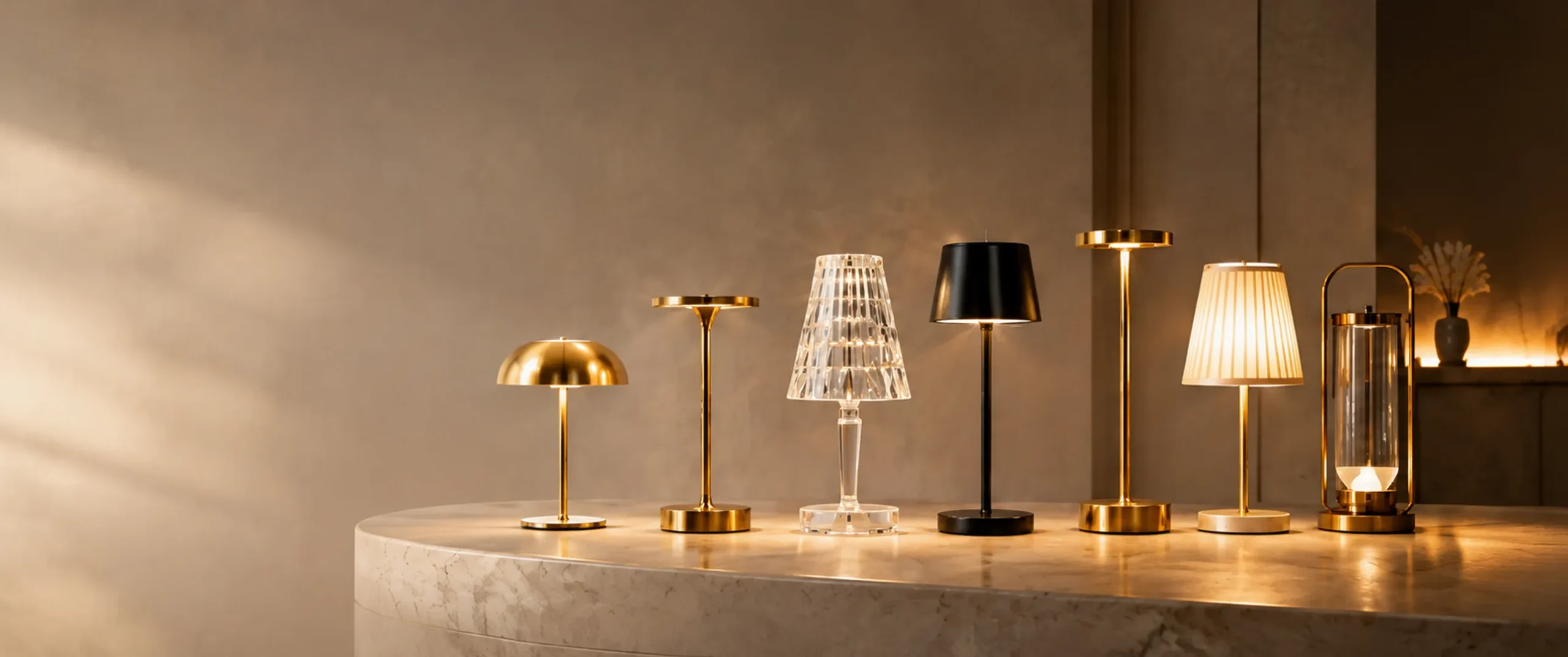
OEM / ODM · MARQUE PRIVÉE · ÉCLAIRAGE B2B
Fabricant d'éclairage sur mesure
ANYAO fournit une fabrication d'éclairage sur mesure, Développement OEM et ODM pour les importateurs, distributeurs, hospitality projects and private-label brands worldwide.
From concept development and prototyping to custom finishes, systèmes de recharge, image de marque, emballage et production de masse.
ÉCLAIRAGE PERSONNALISÉ · OEM / ODM
Parlez-nous de votre projet.
Partagez votre image de référence, dessin, dimensions, quantité cible ou exigences du projet. Our team will review your custom lighting request and contact you with the next step.
Capacités d'éclairage personnalisées en interne
Plus de contrôle sur chaque partie de votre produit d'éclairage.
ANYAO intègre l'ingénierie des composants, lighting performance and power-system development to support custom lighting, OEM and ODM production from concept through scalable manufacturing.
Moulage par injection personnalisé
Custom molded housings and structural components developed around your dimensions, conception des matériaux et de l'éclairage.
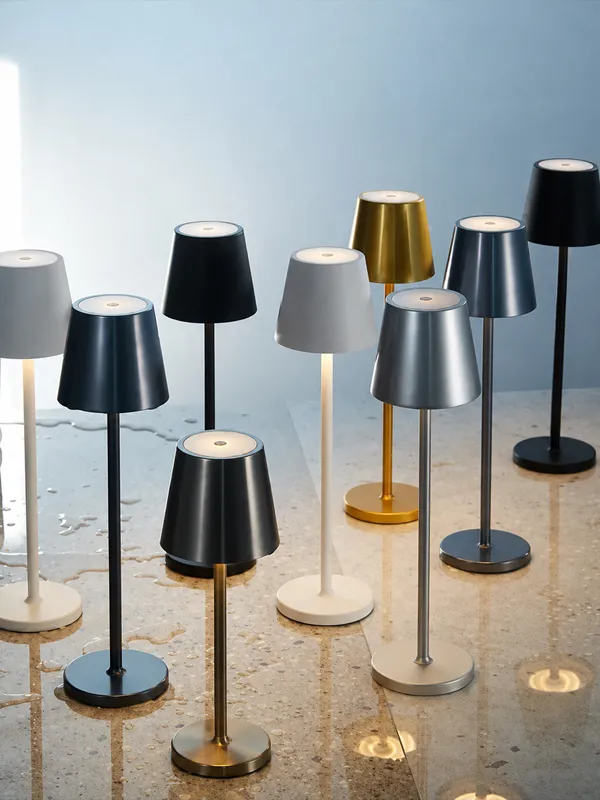
Matériel d'éclairage personnalisé
Socles, cadres, brackets and precision hardware engineered around your dimensions, matériaux et finitions.
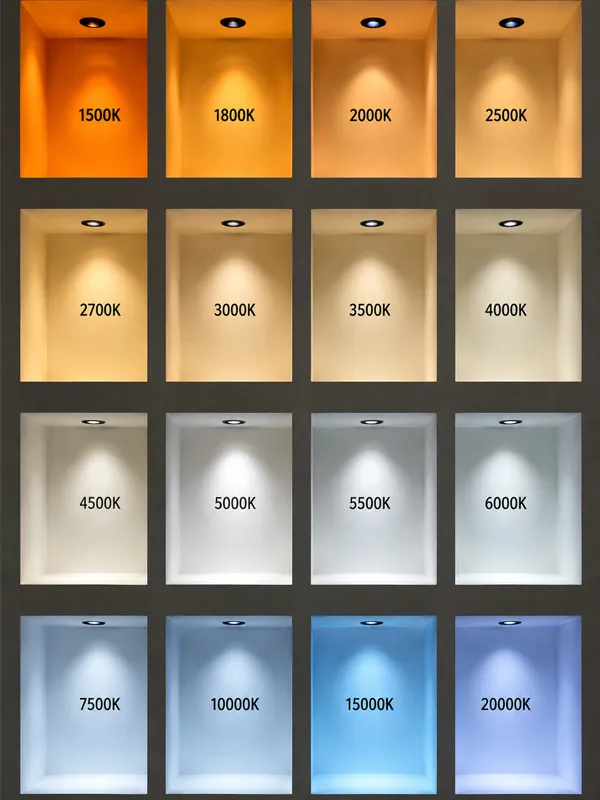
Solutions de sources d'éclairage personnalisées
Configurer la luminosité, température de couleur, dimming and optical performance around your target lighting application.
Solutions de batteries personnalisées
Développer le runtime, charging architecture and battery integration around your cordless lighting product.
Avantage de fabrication
Pourquoi choisir l'éclairage ANYAO
Fabrication haut de gamme
Advanced equipment and experienced production teams support consistent custom lighting manufacturing.
Intégration verticale
Développement de composants, assembly and key production processes are coordinated within one supply system.
Contrôle de qualité strict
Matériaux entrants, assemblée, lighting performance and finished products follow controlled QC procedures.
Prototypage rapide
Rapid engineering and sample development help move custom lighting concepts toward production.
Quantité minimale de commande flexible & Personnalisation
Flexible project quantities with OEM, ODM, private-label and product customization support.
Livraison fiable
Planification de la production, export packaging and global logistics support stable B2B order delivery.
Applications d'éclairage d'hôtellerie
Éclairage personnalisé pour chaque scénario d’hôtellerie
De la gastronomie aux chambres d'hôtes en passant par les terrasses au bord de la piscine, lieux en bord de mer et espaces de mariage, ANYAO develops custom lighting solutions for hotels, stations balnéaires, restaurants and project-based hospitality environments worldwide.
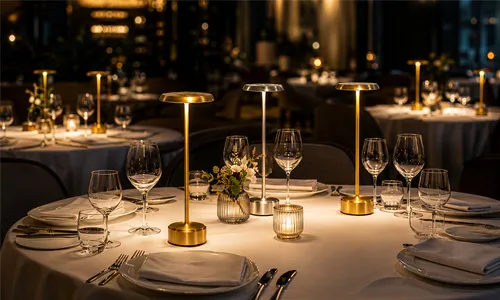
Gastronomie
Solutions d'éclairage d'ambiance personnalisées pour les restaurants haut de gamme, salles à manger et tables d'accueil.
Chambre d'hôtel
Chevet sur mesure, accent and decorative lighting for guest-room comfort and premium hospitality design.
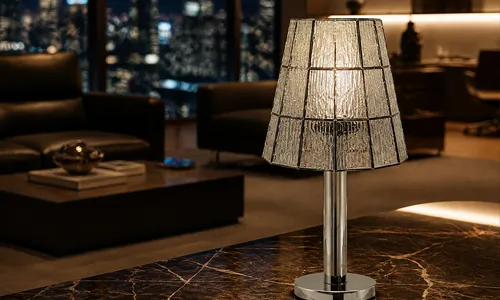
Executive Lounge
Refined lighting solutions for hotel lounges, VIP spaces and premium social environments.
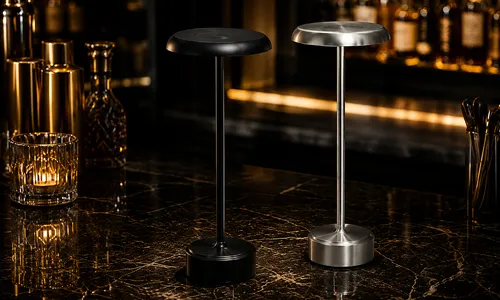
Bar Counter
Custom cordless and decorative lighting for bars, counters and nightlife hospitality concepts.
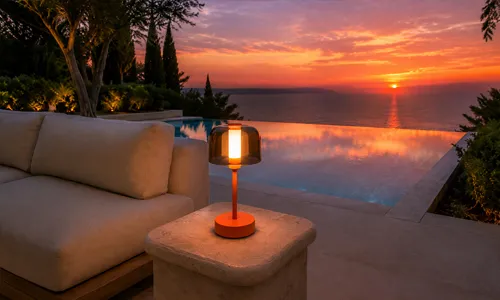
Garden Patio
Outdoor decorative lighting for garden patios, courtyard seating and resort relaxation areas.
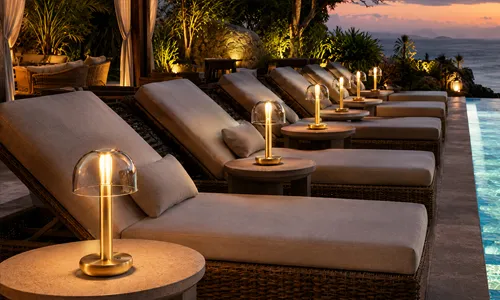
Poolside
Elegant portable and ambient lighting solutions for pool decks, cabanas and luxury resort spaces.
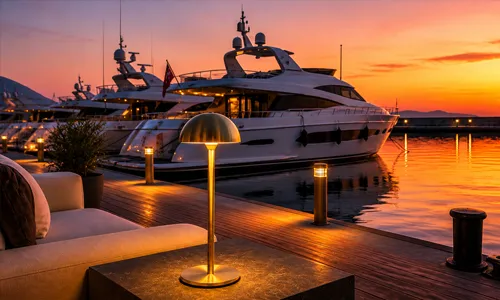
Seaside Pier
Weather-conscious decorative lighting for seaside hospitality venues, ponts marins et projets en plein air.
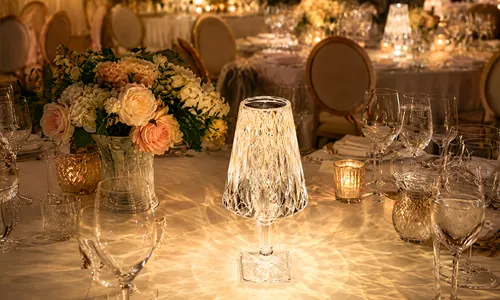
Autel de mariage
Éclairage personnalisé romantique pour les lieux de mariage, décors de cérémonie et projets d’hospitalité événementiels.
Du concept à la production
Notre processus de fabrication d'éclairage sur mesure
A structured development workflow helps move custom lighting projects from early concepts to verified samples, controlled mass production and export-ready delivery.
Conception & DFM
Examen conceptuel, product structure evaluation and design-for-manufacturing optimization.
Ingénierie & BOM
3D modeling, component selection, technical specifications and bill-of-material planning.
Prototyping
Functional prototypes and samples for structure, appearance and performance verification.
Tooling & Testing
Tooling development followed by electrical, structural and reliability testing before production.
Production & QC
Controlled mass production with incoming, in-process and final quality inspections.
Conditionnement & Delivery
Export-ready packaging, shipment preparation and global B2B delivery support.
Nous contrôlons le processus. Des composants à la livraison finale.
ANYAO Lighting manages the key stages of lighting production within one integrated manufacturing system. From tooling and component manufacturing to assembly, inspection et expédition, every stage is designed to give our partners better control over quality, coût et livraison.
Fabrication de matériel
Le processus commence par le matériel lui-même. L'outillage définit la structure, precision fabrication creates the component, et la galvanoplastie complète la surface finale. Keeping these stages connected gives us greater control over consistency, finition et coût de production.
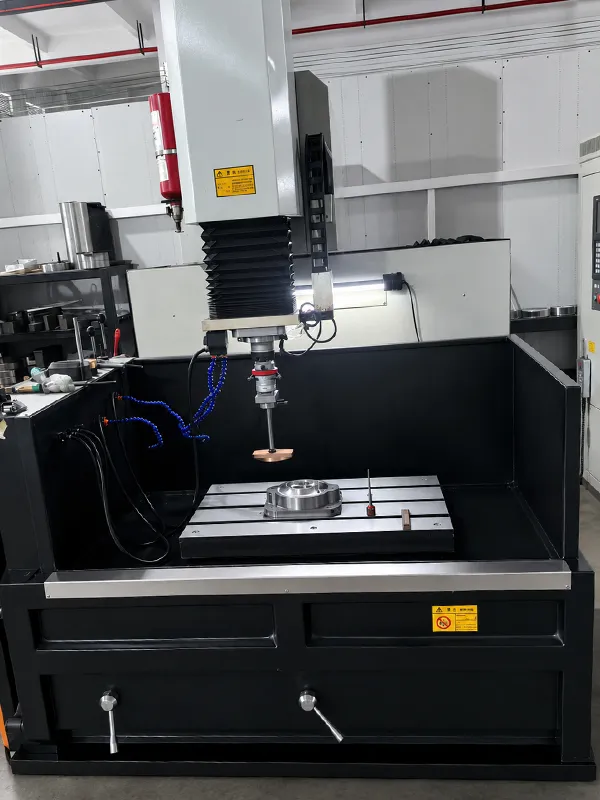
01
Fabrication de moules
CommencerProduction-ready tooling establishes the dimensions and structural foundation required for repeatable manufacturing.
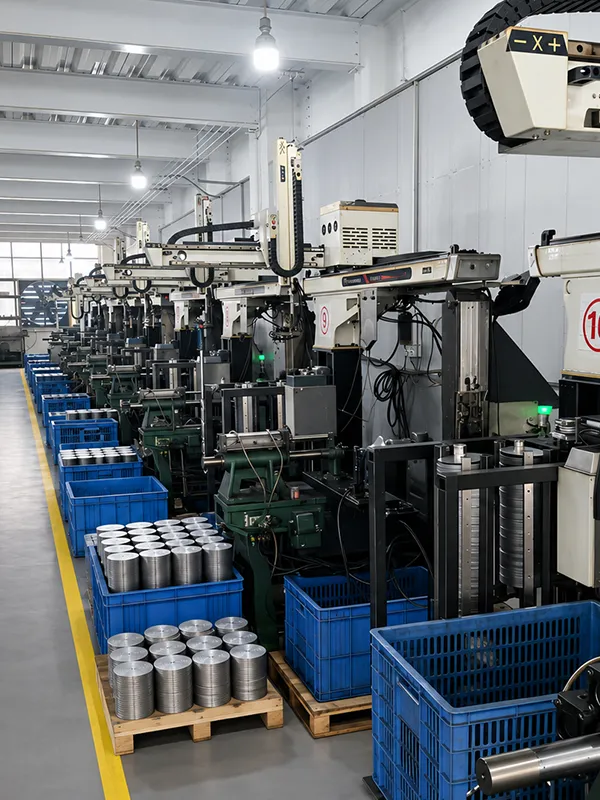
02
Fabrication de métaux
FormationHardware components are formed and processed with controlled dimensions and repeatable production accuracy.
03
Galvanoplastie
FinitionSurface finishing completes the hardware while improving appearance and finish consistency across production batches.
Materials & Components
Production continuity starts before assembly. Raw materials are prepared, components are molded, and finished parts are stocked so that new orders and repeat programs can move into production with fewer unnecessary delays.
04
Raw Material Stock
PrepareCore materials are prepared in advance to support stable scheduling and more reliable production planning.
05
Moulage par injection
ProduireMolded components are produced with repeatability and production coordination in mind.
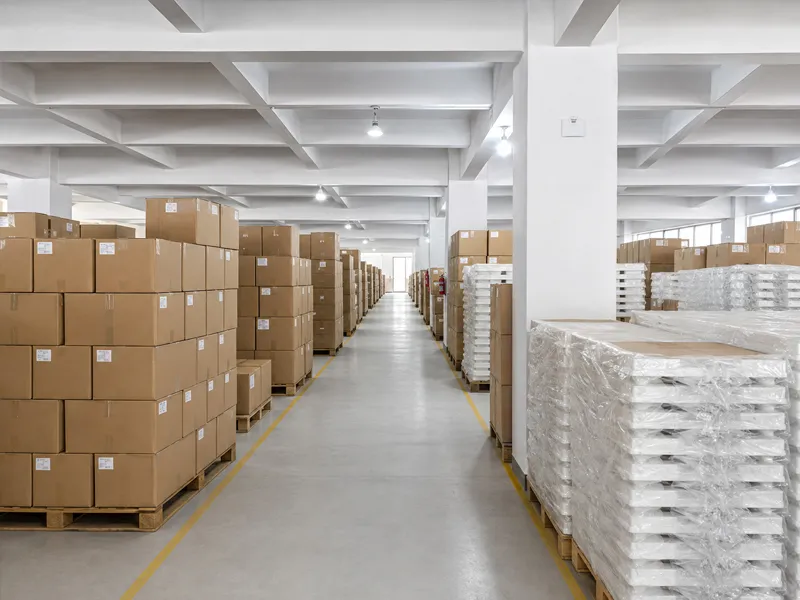
06
Inventaire des composants
RéserveOrganized component reserves support repeat orders and faster production response.
Assemblage à la livraison
Les composants entrent enfin dans la chaîne de production pour être assemblés, suivi de l'inspection et de la préparation des produits finis. This final sequence ensures that every order moves through a controlled path before leaving the factory.
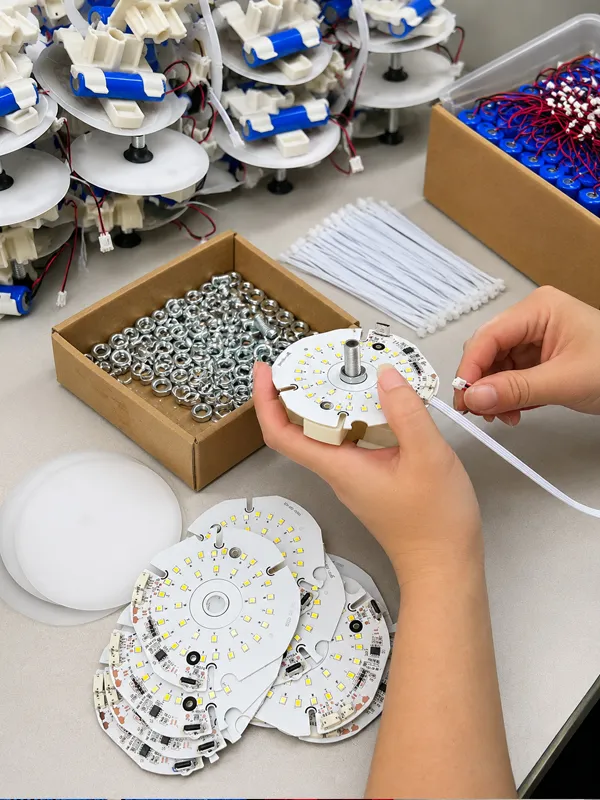
07
Assembly Production
AssembleComponents move into structured assembly for stable, efficient and repeatable production.
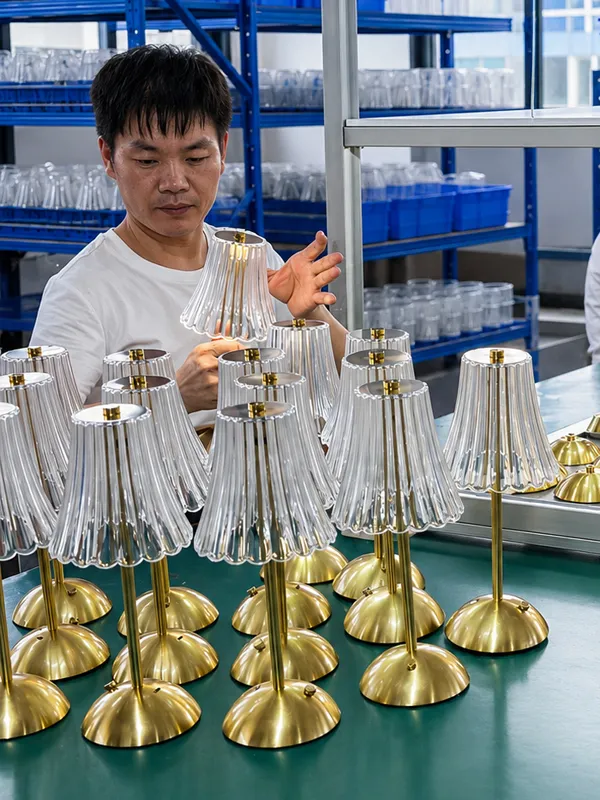
08
Quality Inspection
InspectFinished products are checked before release to reduce avoidable quality and delivery issues.
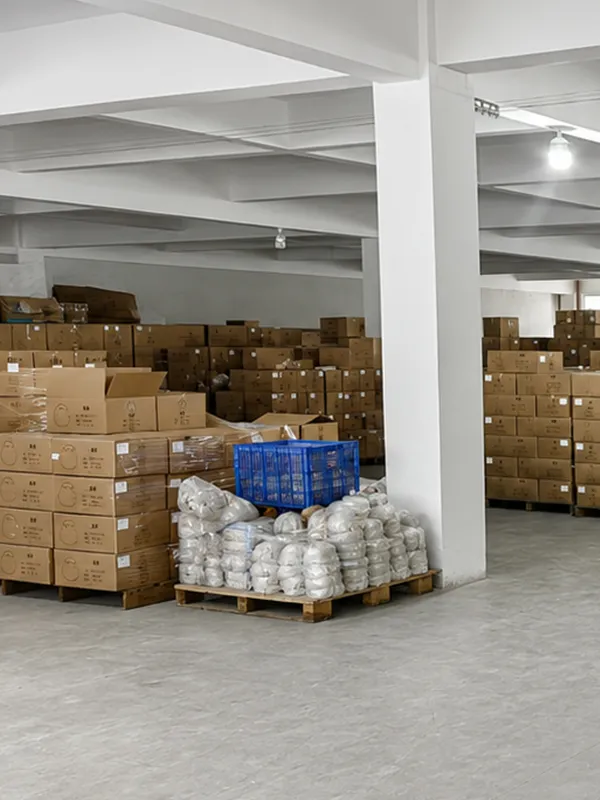
09
Finished Goods Delivery
DeliverCompleted orders are prepared for shipment with dependable handling and delivery coordination.
Control every critical stage. Compete on more than price.
Quality, cost and delivery are not separate goals. They are the result of controlling the manufacturing process.
We built these production capabilities so that quality can
be controlled without losing cost competitiveness, while
maintaining the capacity required for dependable project delivery.
While you are still comparing suppliers, your competitors
may already be working with a manufacturing partner that
gives them a stronger balance of quality, coût et livraison.

Questions that matter before production begins.
Custom lighting projects involve more than choosing a shape and finish. Ingénierie, outillage, electrical specifications, production quantities, testing, packaging and delivery all influence the final result.
The earlier the technical requirements are defined, the easier it is to control cost, quality and delivery throughout a custom lighting project.
The answers below explain how buyers, importers, hospitality projects and private-label brands can prepare a project before requesting samples or moving into mass production.
01
Quelles informations dois-je fournir pour un devis d'éclairage personnalisé?
Une citation utile commence par le concept du produit, quantité attendue et marché cible.
Idéalement, fournir un dessin, image de référence, dimensions, matériaux préférés, état de surface, light source or bulb type, tension d'entrée, estimated order quantity and delivery destination. Si le produit nécessite une gradation, rechargeable power, montage spécial, branded packaging or specific electrical components, inclure également ces exigences.
These details matter because two products that look nearly identical can require very different tooling, hardware, electrical architecture and production methods. A reliable quote should therefore be based on the intended specification, not appearance alone.
02
Can ANYAO develop a custom light if I only have a sketch or reference image?
Oui. A finished production drawing is not always required at the beginning of a custom lighting project.
A project can begin with a sketch, image de référence, physical sample or design concept. The important next step is converting that concept into manufacturable specifications: dimensions, connexions structurelles, interfaces de composants, épaisseurs de matériaux, finitions, electrical configuration and assembly method.
Avant la production de masse, the concept should move through engineering review and sample verification. This is where potential problems such as unstable structures, difficult assembly, unsuitable material choices or unrealistic finish requirements can be identified before they become expensive production issues.
03
Quelle est la différence entre OEM, Éclairage ODM et marque privée?
OEM, ODM and private label describe different levels of product ownership and development responsibility.
Éclairage OEM normally starts from the buyer's design or specification, with the manufacturer responsible for engineering confirmation and production. Éclairage d'ODM involves more development input from the manufacturer, comme la structure, component selection or adaptation of an existing platform.
Production sous marque privée focuses on creating a product that can be sold under the buyer's brand, including agreed product configuration, logo application, manuals, étiquettes et emballages.
In real projects these models often overlap. The right structure depends on whether your priority is unique product development, faster market entry, lower development cost or stronger brand differentiation.
04
How is the MOQ for a custom lighting project determined?
Custom lighting MOQ depends on the production process, not simply on the number of finished lamps.
Tooling requirements, custom metal parts, molded components, minimum material purchases, electroplating batches, dedicated electrical components, branded packaging and assembly efficiency can all affect the practical minimum production quantity.
A product based largely on existing components may support a smaller starting quantity than a product requiring new molds, custom castings or dedicated electronic components. For this reason, the most useful question is not only “What is your MOQ?” but also “Which parts of my design are creating the MOQ?”
Once those cost drivers are identified, the design may be value-engineered to reduce tooling exposure or improve the economics of a first production run.
05
Comment réduire les coûts de fabrication sans diminuer la qualité du produit?
The best cost reduction usually comes from engineering and process decisions rather than simply using cheaper materials.
Cost can often be improved by simplifying unnecessary components, réduisant les opérations d'usinage difficiles, normaliser le matériel caché, selecting a more efficient manufacturing process, optimisation de l'épaisseur du matériau, consolidating finishes or redesigning packaging for more efficient transportation.
Controlling tooling, metal processing, component production, assembly and inspection within a coordinated production system also reduces handoffs between unrelated suppliers. That creates more opportunities to identify cost at the process level rather than cutting quality from the final product.
06
How do you maintain consistency between samples and mass production?
Sample approval should become a production reference, not simply a visual approval.
Avant la production de masse, critical requirements should be converted into controlled specifications: dimensions, matériels, finitions des références, component models, electrical configuration, assembly details, packaging and acceptance criteria.
During production, incoming components, in-process assembly and finished units can then be checked against those approved references. This is especially important for finishes, visible hardware, température de couleur, component positioning and products that must remain visually consistent across a hospitality or retail project.
The goal is to ensure that the approved sample becomes a repeatable production standard rather than a one-off prototype that cannot be reproduced consistently.
07
Comment les exigences électriques doivent-elles être gérées pour différents pays?
The destination market should be defined before the electrical system and components are finalized.
Tension, fréquence, prise ou méthode de connexion, douille, conducteur, système de batterie, protocole de gradation, cable specification and other electrical components may vary according to the intended market and application.
Les acheteurs doivent également identifier toute certification, testing or documentation requirements at the beginning of development. This allows component selection and engineering decisions to be planned around the intended compliance path instead of trying to change the product after tooling or samples have already been completed.
Pour l'éclairage du projet, the installation environment also matters. Utilisation hôtelière en intérieur, endroits humides, utilisation en extérieur, portable lighting and rechargeable products can require different technical considerations.
08
Qu'est-ce qui détermine le délai de livraison pour la production d'éclairage sur mesure?
Lead time is determined by the development path and production complexity, not only by the final order quantity.
New tooling, custom hardware, injection-molded parts, special finishes, electronic development, sample revisions, testing requirements, packaging development and material availability can all affect the schedule.
A useful project schedule normally separates ingénierie, prototype approval, outillage, pilot or pre-production verification, mass production, inspection and shipping preparation. This makes delays easier to identify and manage than using one single promised delivery date for the entire project.
Buyers can shorten unnecessary delays by approving drawings, finitions, electrical specifications and packaging decisions before the corresponding production stage begins.
09
Un programme d’éclairage personnalisé peut-il inclure différentes finitions, tailles ou configurations?
Oui, but the product family should be engineered around shared components wherever practical.
Un projet peut nécessiter plusieurs tailles, finitions, mounting options, températures de couleur ou configurations électriques. The most efficient approach is usually to identify which components can remain common and which must change.
Outillage partagé, hardware, electrical platforms or packaging structures can reduce complexity, while controlled variations create the required product range. This is particularly useful for hotel groups, distributors and private-label brands that need a coordinated collection rather than a single SKU.
10
How should a hotel or hospitality lighting project be prepared before production?
Hospitality lighting should be planned by application, specification and installation environment — not only by appearance.
Start by separating the project into areas such as guest rooms, restaurants, bars, lounges, outdoor terraces, poolside areas or other environments. For each product, define dimensions, installation method, finition, attentes en matière de rendement lumineux, exigences électriques et quantité.
Products used repeatedly across many rooms deserve particular attention to assembly consistency, composants de rechange, compatibilité de remplacement et contrôle de finition. Decorative feature pieces may require more emphasis on structural engineering, planification et emballage de l'installation.
Organizing the project this way allows manufacturing decisions to reflect the actual use of each fixture instead of treating the entire project as a collection of unrelated lamps.
11
Peut faire un emballage personnalisé, les exigences en matière de marque et de marque privée soient incluses dans la production?
Oui. Branding and packaging should be treated as part of the product specification rather than added at the end.
Les exigences en matière de marques privées peuvent inclure les marques de produits, étiquettes de notation, manuals, illustration d'emballage, marquages des cartons, inserts, accessoires et autres éléments de marque convenus. These details should be confirmed before mass production so the correct materials and packaging can be prepared together with the product.
L’emballage a aussi un rôle technique. Dimensions du produit, éléments décoratifs fragiles, finitions de surface, accessory organization and shipping method all influence how the finished product should be protected.
12
What is the best way to start a custom lighting project with ANYAO?
Start by sending the product concept, target quantity and intended market.
If available, include reference images, dessins, dimensions, finish requirements, electrical specifications, target pricing, packaging expectations and any required project timeline.
The first objective is not immediately to manufacture the product. It is to determine what needs to be customized, what can be standardized, which processes or tooling are required, and what must be verified before production.
Once those questions are clear, the project can move into engineering, quotation and sample development with much less uncertainty.
Avoir un projet d'éclairage qui ne correspond pas à un produit standard?
Envoyez-nous votre concept, dessin ou image de référence. We can evaluate the manufacturing path before you commit to tooling or mass production.