Saltar al contenido principal

Iluminación Anyao

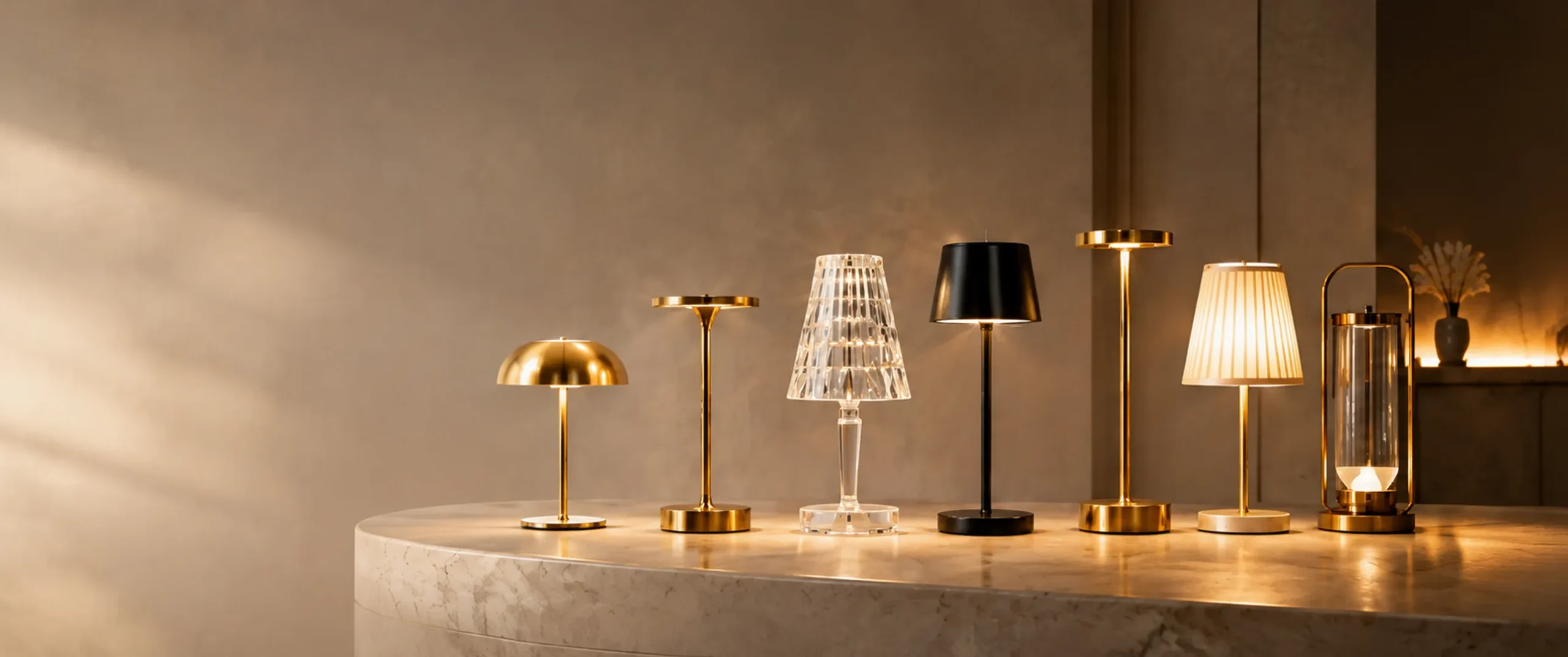
ANYAO custom lighting manufacturer providing OEM and ODM table lamp manufacturing and private label lighting solutions

OEM / ODM · PRIVATE LABEL · B2B LIGHTING

Fabricante de iluminación personalizada

ANYAO provides custom lighting manufacturing, OEM and ODM development for importers, distributors, hospitality projects and private-label brands worldwide.

From concept development and prototyping to custom finishes, charging systems, branding, packaging and mass production.

Explorar OEM / ODM
OEM / ODM Development Custom Materials & Finishes Private Label & Packaging Wholesale & Project Supply
Custom Development From concept to production
OEM / ODM Diseño & engineering support
Private Label Logo & packaging customization
Global B2B Supply Importers · Brands · Projects

Manufacturing Advantage

Why Choose ANYAO Lighting

High-End Manufacturing

Advanced equipment and experienced production teams support consistent custom lighting manufacturing.

Vertical Integration

Component development, assembly and key production processes are coordinated within one supply system.

Strict Quality Control

Incoming materials, asamblea, lighting performance and finished products follow controlled QC procedures.

Fast Prototyping

Rapid engineering and sample development help move custom lighting concepts toward production.

Flexible MOQ & Customization

Flexible project quantities with OEM, ODM, private-label and product customization support.

Reliable Delivery

Production planning, export packaging and global logistics support stable B2B order delivery.

Hospitality Lighting Applications

Custom Lighting for Every Hospitality Scenario

From fine dining and guest rooms to poolside terraces, seaside venues and wedding spaces, ANYAO develops custom lighting solutions for hotels, resorts, restaurants and project-based hospitality environments worldwide.
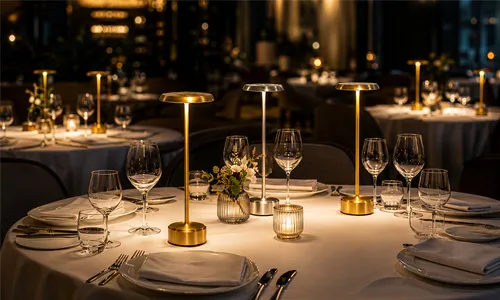
Fine dining custom lighting scene for hotel and restaurant projects

Fine Dining

Custom ambient lighting solutions for upscale restaurants, dining rooms and hospitality table settings.

Hotel guest room custom lighting scene

Hotel Guest Room

Tailored bedside, accent and decorative lighting for guest-room comfort and premium hospitality design.
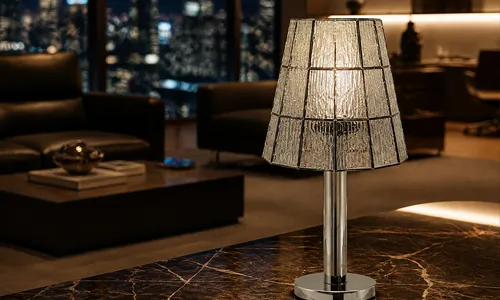
Executive lounge custom lighting scene

Executive Lounge

Refined lighting solutions for hotel lounges, VIP spaces and premium social environments.
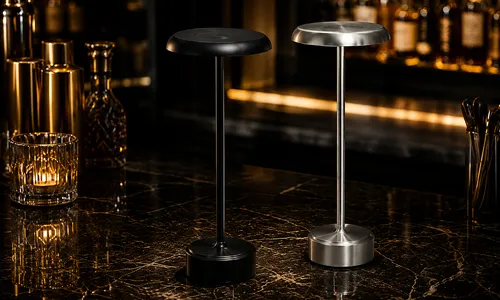
Bar counter custom lighting scene

Bar Counter

Custom cordless and decorative lighting for bars, counters and nightlife hospitality concepts.
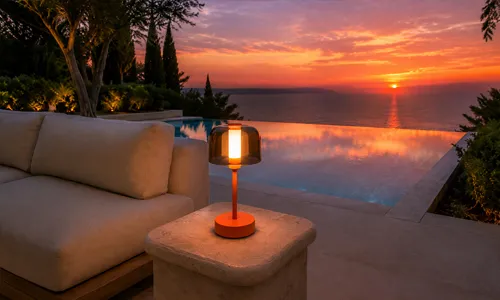
Garden patio hospitality lighting scene

Garden Patio

Outdoor decorative lighting for garden patios, courtyard seating and resort relaxation areas.
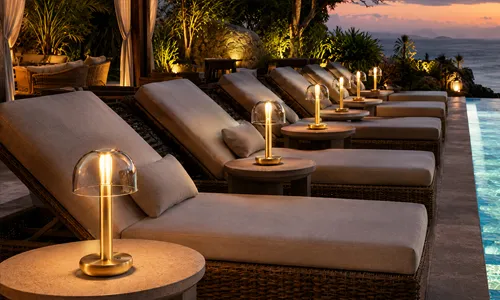
Poolside hospitality lighting scene

Poolside

Elegant portable and ambient lighting solutions for pool decks, cabanas and luxury resort spaces.
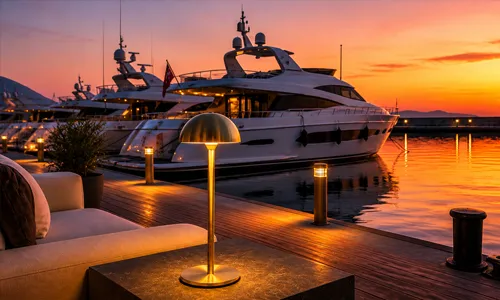
Seaside pier hospitality lighting scene

Seaside Pier

Weather-conscious decorative lighting for seaside hospitality venues, marine decks and open-air projects.
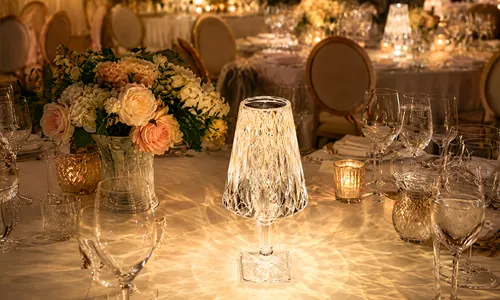
Wedding altar custom lighting scene

Wedding Altar

Romantic custom lighting for wedding venues, ceremony backdrops and event-based hospitality projects.

From Concept to Production

Our Custom Lighting Manufacturing Process

A structured development workflow helps move custom lighting projects from early concepts to verified samples, controlled mass production and export-ready delivery.

1

Diseño & DFM

Concept review, product structure evaluation and design-for-manufacturing optimization.

2

Ingeniería & BOM

3D modeling, component selection, technical specifications and bill-of-material planning.

3

Prototyping

Functional prototypes and samples for structure, appearance and performance verification.

4

Tooling & Testing

Tooling development followed by electrical, structural and reliability testing before production.

5

Producción & QC

Controlled mass production with incoming, in-process and final quality inspections.

6

Packaging & Delivery

Export-ready packaging, shipment preparation and global B2B delivery support.

OEM / ODM Engineering Prototype Verification Controlled Quality Inspection Export Packaging Support
Integrated Manufacturing

We control the process. From components to final delivery.

ANYAO Lighting manages the key stages of lighting production within one integrated manufacturing system. From tooling and component manufacturing to assembly, inspection and shipment, every stage is designed to give our partners better control over quality, cost and delivery.

Quality Control Control critical production stages
Cost Efficiency Reduce unnecessary outsourcing
Delivery Capacity Built for scalable production
01 / 03

Hardware Manufacturing

The process begins with the hardware itself. Tooling defines the structure, precision fabrication creates the component, and electroplating completes the final surface. Keeping these stages connected gives us greater control over consistency, finish and production cost.
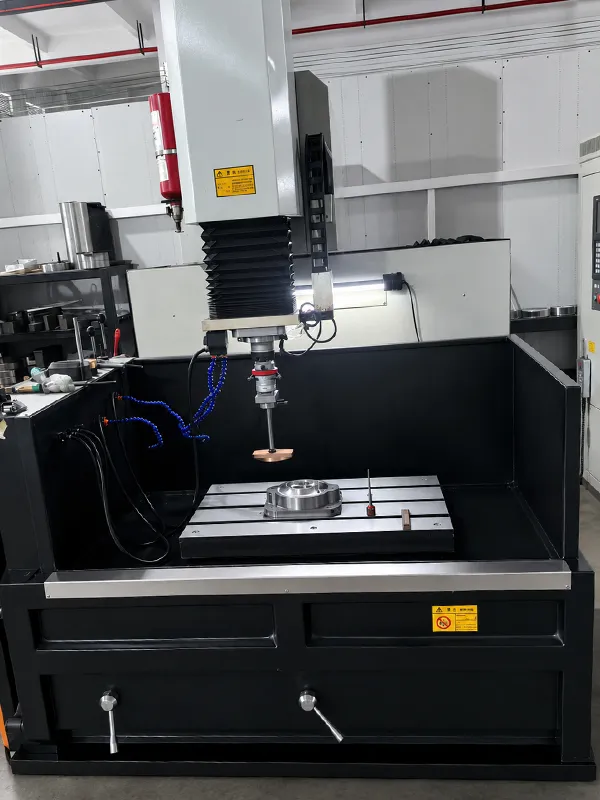
Hardware Production Flow
Lighting mold making and tooling at ANYAO Lighting factory 01

Mold Making

Start

Production-ready tooling establishes the dimensions and structural foundation required for repeatable manufacturing.
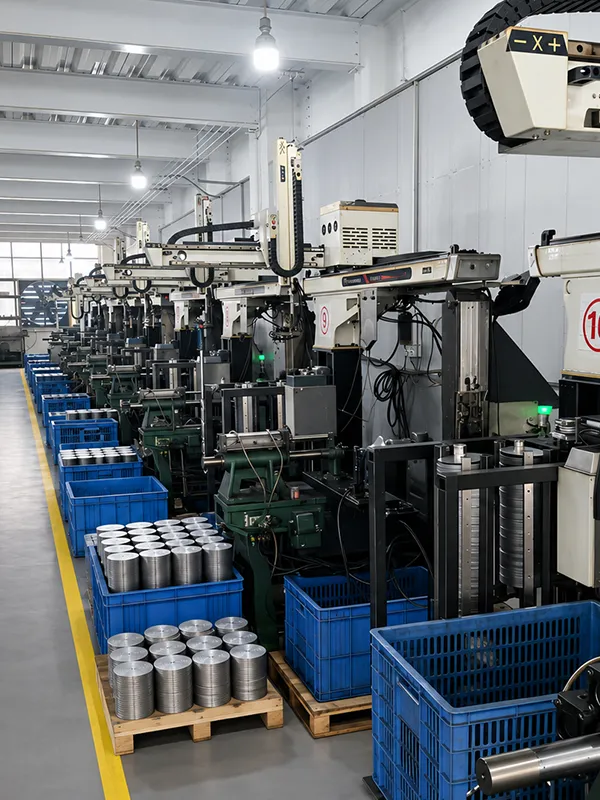
Metal fabrication and hardware processing for lighting fixtures 02

Metal Fabrication

Forming

Hardware components are formed and processed with controlled dimensions and repeatable production accuracy.

Electroplating and surface finishing for lighting hardware 03

Electroplating

Finish

Surface finishing completes the hardware while improving appearance and finish consistency across production batches.

01 · Tooling Define structure
02 · Fabrication Produce components
03 · Finishing Complete the surface
02 / 03

Materials & Components

Production continuity starts before assembly. Raw materials are prepared, components are molded, and finished parts are stocked so that new orders and repeat programs can move into production with fewer unnecessary delays.

Component Supply Flow
Raw material inventory for lighting manufacturing 04

Raw Material Stock

Prepare

Core materials are prepared in advance to support stable scheduling and more reliable production planning.

Injection molding production for lighting components 05

Moldeo por inyección

Produce

Molded components are produced with repeatability and production coordination in mind.
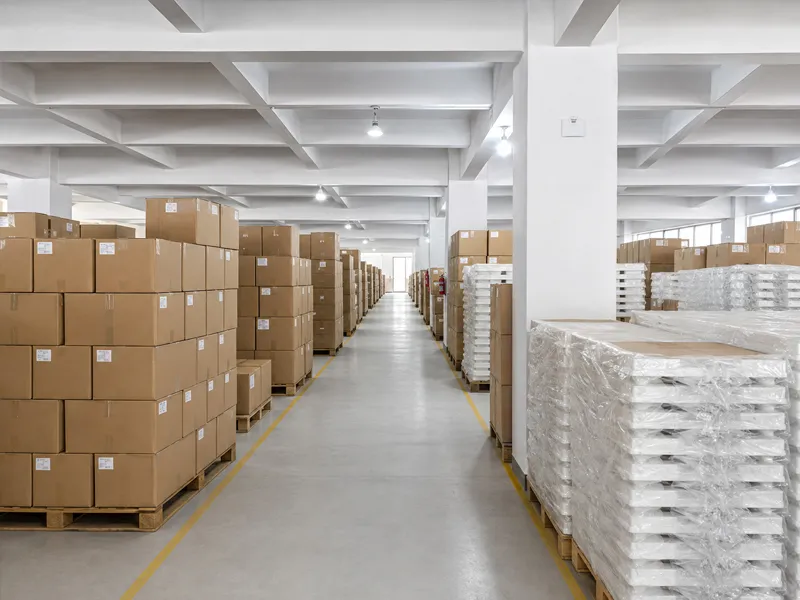
Lighting component storage and inventory 06

Component Inventory

Reserve

Organized component reserves support repeat orders and faster production response.

04 · Materials Prepare supply
05 · Molding Produce components
06 · Inventory Maintain readiness
03 / 03

Assembly to Delivery

Components finally enter the production line for assembly, followed by inspection and finished-goods preparation. This final sequence ensures that every order moves through a controlled path before leaving the factory.
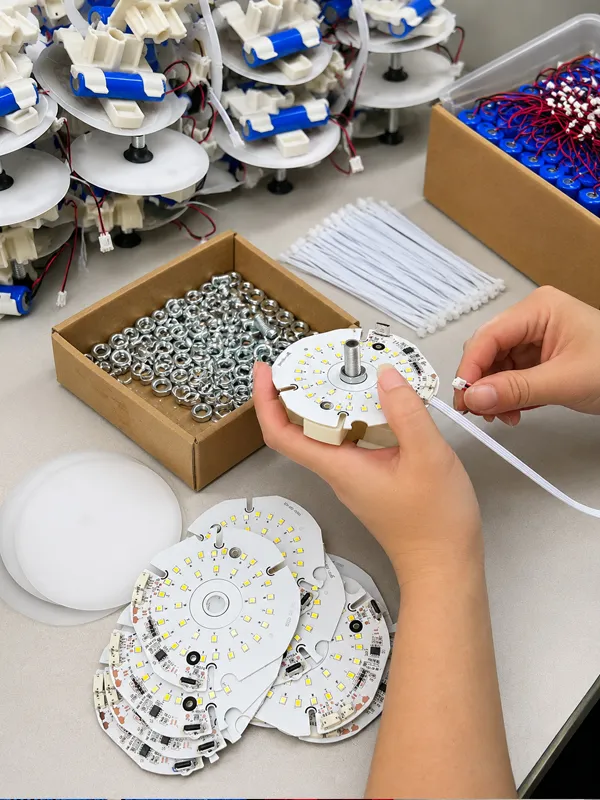
Final Production Flow
Lighting fixture assembly production at ANYAO Lighting 07

Assembly Production

Assemble

Components move into structured assembly for stable, efficient and repeatable production.
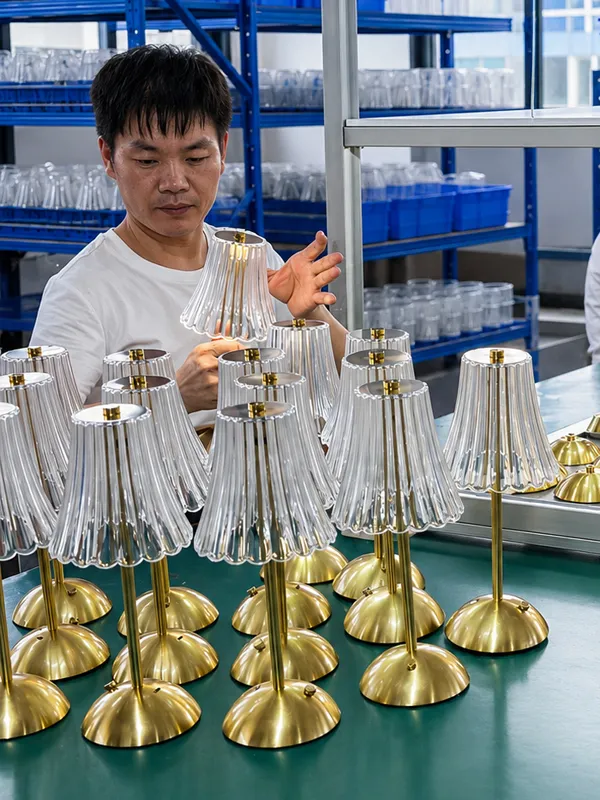
Lighting fixture quality inspection and testing 08

Quality Inspection

Inspect

Finished products are checked before release to reduce avoidable quality and delivery issues.
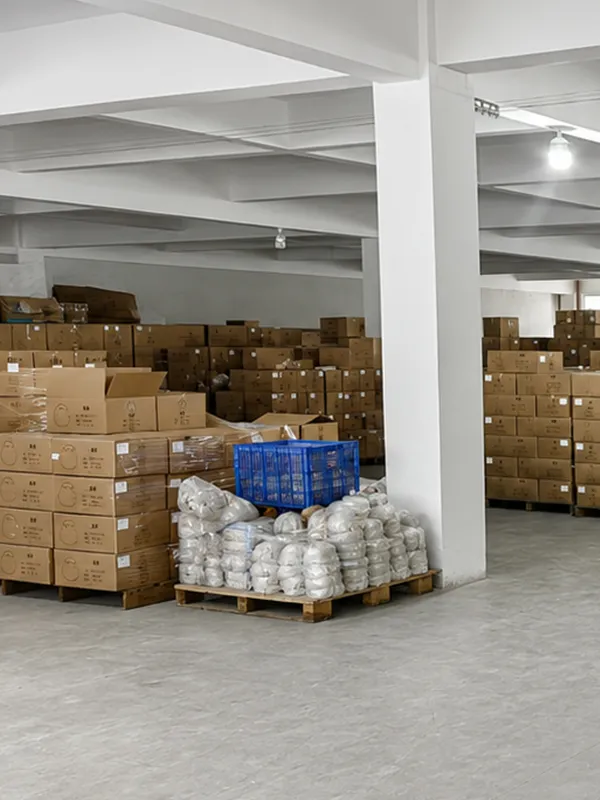
Finished lighting goods prepared for final shipment 09

Finished Goods Delivery

Deliver

Completed orders are prepared for shipment with dependable handling and delivery coordination.

07 · Assembly Build the product
08 · Inspection Verify quality
09 · Delivery Complete the order
Why It Matters

Control every critical stage. Compete on more than price.

Quality, cost and delivery are not separate goals. They are the result of controlling the manufacturing process.

We built these production capabilities so that quality can be controlled without losing cost competitiveness, while maintaining the capacity required for dependable project delivery.

While you are still comparing suppliers, your competitors may already be working with a manufacturing partner that gives them a stronger balance of quality, cost and delivery.

Custom Lighting FAQ

Questions that matter before production begins.

Custom lighting projects involve more than choosing a shape and finish. Ingeniería, estampación, electrical specifications, production quantities, testing, packaging and delivery all influence the final result.

The earlier the technical requirements are defined, the easier it is to control cost, quality and delivery throughout a custom lighting project.

The answers below explain how buyers, importers, hospitality projects and private-label brands can prepare a project before requesting samples or moving into mass production.

01

What information should I provide for a custom lighting quotation?

A useful quotation starts with the product concept, expected quantity and target market.

Ideally, provide a drawing, reference image, dimensiones, preferred materials, surface finish, light source or bulb type, input voltage, estimated order quantity and delivery destination. If the product requires dimming, rechargeable power, special mounting, branded packaging or specific electrical components, include those requirements as well.

These details matter because two products that look nearly identical can require very different tooling, hardware, electrical architecture and production methods. A reliable quote should therefore be based on the intended specification, not appearance alone.

Useful RFQ package: reference image or drawing + dimensiones + material/finish + especificación eléctrica + cantidad + target market + packaging requirement.
02

Can ANYAO develop a custom light if I only have a sketch or reference image?

Sí. A finished production drawing is not always required at the beginning of a custom lighting project.

A project can begin with a sketch, reference image, physical sample or design concept. The important next step is converting that concept into manufacturable specifications: dimensiones, structural connections, component interfaces, material thicknesses, acabados, electrical configuration and assembly method.

Before mass production, the concept should move through engineering review and sample verification. This is where potential problems such as unstable structures, difficult assembly, unsuitable material choices or unrealistic finish requirements can be identified before they become expensive production issues.

03

What is the difference between OEM, ODM and private-label lighting?

OEM, ODM and private label describe different levels of product ownership and development responsibility.

OEM lighting normally starts from the buyer's design or specification, with the manufacturer responsible for engineering confirmation and production. ODM lighting involves more development input from the manufacturer, such as structure, component selection or adaptation of an existing platform.

Private-label production focuses on creating a product that can be sold under the buyer's brand, including agreed product configuration, logo application, manuals, etiquetas y embalaje.

In real projects these models often overlap. The right structure depends on whether your priority is unique product development, faster market entry, lower development cost or stronger brand differentiation.

04

How is the MOQ for a custom lighting project determined?

Custom lighting MOQ depends on the production process, not simply on the number of finished lamps.

Tooling requirements, custom metal parts, molded components, minimum material purchases, electroplating batches, dedicated electrical components, branded packaging and assembly efficiency can all affect the practical minimum production quantity.

A product based largely on existing components may support a smaller starting quantity than a product requiring new molds, custom castings or dedicated electronic components. For this reason, the most useful question is not only “What is your MOQ?” but also “Which parts of my design are creating the MOQ?

Once those cost drivers are identified, the design may be value-engineered to reduce tooling exposure or improve the economics of a first production run.

05

How can manufacturing cost be reduced without lowering product quality?

The best cost reduction usually comes from engineering and process decisions rather than simply using cheaper materials.

Cost can often be improved by simplifying unnecessary components, reducing difficult machining operations, standardizing hidden hardware, selecting a more efficient manufacturing process, optimizing material thickness, consolidating finishes or redesigning packaging for more efficient transportation.

Controlling tooling, metal processing, component production, assembly and inspection within a coordinated production system also reduces handoffs between unrelated suppliers. That creates more opportunities to identify cost at the process level rather than cutting quality from the final product.

Good value engineering asks: Which features create customer value, and which operations create cost without materially improving performance, appearance or durability?
06

How do you maintain consistency between samples and mass production?

Sample approval should become a production reference, not simply a visual approval.

Before mass production, critical requirements should be converted into controlled specifications: dimensiones, materiales, terminar referencias, component models, electrical configuration, assembly details, packaging and acceptance criteria.

During production, incoming components, in-process assembly and finished units can then be checked against those approved references. This is especially important for finishes, visible hardware, color temperature, component positioning and products that must remain visually consistent across a hospitality or retail project.

The goal is to ensure that the approved sample becomes a repeatable production standard rather than a one-off prototype that cannot be reproduced consistently.

07

How should electrical requirements be handled for different countries?

The destination market should be defined before the electrical system and components are finalized.

Voltage, frequency, plug or connection method, lampholder, driver, battery system, dimming protocol, cable specification and other electrical components may vary according to the intended market and application.

Buyers should also identify any certification, testing or documentation requirements at the beginning of development. This allows component selection and engineering decisions to be planned around the intended compliance path instead of trying to change the product after tooling or samples have already been completed.

For project lighting, the installation environment also matters. Indoor hospitality use, wet locations, outdoor use, portable lighting and rechargeable products can require different technical considerations.

08

What determines the lead time for custom lighting production?

Lead time is determined by the development path and production complexity, not only by the final order quantity.

New tooling, custom hardware, injection-molded parts, special finishes, electronic development, sample revisions, testing requirements, packaging development and material availability can all affect the schedule.

A useful project schedule normally separates ingeniería, prototype approval, estampación, pilot or pre-production verification, mass production, inspection and shipping preparation. This makes delays easier to identify and manage than using one single promised delivery date for the entire project.

Buyers can shorten unnecessary delays by approving drawings, acabados, electrical specifications and packaging decisions before the corresponding production stage begins.

09

Can one custom lighting program include different finishes, sizes or configurations?

Sí, but the product family should be engineered around shared components wherever practical.

A project may require several sizes, acabados, mounting options, color temperatures or electrical configurations. The most efficient approach is usually to identify which components can remain common and which must change.

Shared tooling, hardware, electrical platforms or packaging structures can reduce complexity, while controlled variations create the required product range. This is particularly useful for hotel groups, distributors and private-label brands that need a coordinated collection rather than a single SKU.

10

How should a hotel or hospitality lighting project be prepared before production?

Hospitality lighting should be planned by application, specification and installation environment — not only by appearance.

Start by separating the project into areas such as guest rooms, restaurants, bars, lounges, outdoor terraces, poolside areas or other environments. For each product, define dimensions, installation method, finalizar, light output expectations, electrical requirements and quantity.

Products used repeatedly across many rooms deserve particular attention to assembly consistency, spare components, replacement compatibility and finish control. Decorative feature pieces may require more emphasis on structural engineering, installation planning and packaging.

Organizing the project this way allows manufacturing decisions to reflect the actual use of each fixture instead of treating the entire project as a collection of unrelated lamps.

11

Can custom packaging, branding and private-label requirements be included in production?

Sí. Branding and packaging should be treated as part of the product specification rather than added at the end.

Private-label requirements may include product marks, rating labels, manuals, packaging artwork, carton markings, inserts, accessories and other agreed brand elements. These details should be confirmed before mass production so the correct materials and packaging can be prepared together with the product.

Packaging also has a technical role. Product dimensions, fragile decorative elements, surface finishes, accessory organization and shipping method all influence how the finished product should be protected.

12

What is the best way to start a custom lighting project with ANYAO?

Start by sending the product concept, target quantity and intended market.

If available, include reference images, dibujos, dimensiones, finish requirements, electrical specifications, target pricing, packaging expectations and any required project timeline.

The first objective is not immediately to manufacture the product. It is to determine what needs to be customized, what can be standardized, which processes or tooling are required, and what must be verified before production.

Once those questions are clear, the project can move into engineering, quotation and sample development with much less uncertainty.

Have a lighting project that does not fit a standard product?

Send us your concept, dibujo o imagen de referencia. We can evaluate the manufacturing path before you commit to tooling or mass production.

Discuss Your Project