
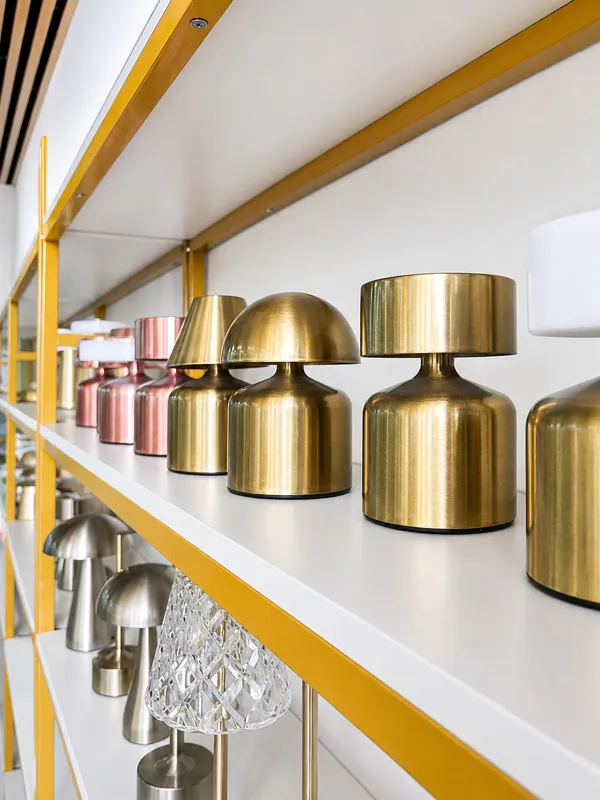
Hardware in the Finished Product
Custom hardware has to work inside the finished luminaire—not only pass inspection on its own.
In decorative lighting, a metal component may be the structural support, the mounting interface, the visible trim, or the connection between several materials. The same part can influence how a shade sits, whether the fixture remains level, how fast the lamp can be assembled, and whether the finish still looks consistent beside glass, fabric, marble, or other metal details.
That is why custom hardware development starts with the finished product and the assembly route. We review how the component will be installed, what it connects to, which surfaces remain visible, and which dimensions must stay stable from the first sample through later production batches.
Assembly fit is a design requirement
Hole positions, threads, weld locations, fixing points, and mating dimensions should be evaluated against the actual lamp assembly—not as isolated metal features.
Visible surfaces need an agreed standard
For exposed metal, buyers should approve a practical appearance reference covering color direction, texture, gloss, and acceptable variation before bulk finishing begins.
Bulk repeatability protects the final product
Tooling, material condition, first-article checks, and process monitoring all influence whether later batches continue to fit and look like the approved sample.
From Tooling to Finished Hardware
Each image represents one real manufacturing stage.
A custom metal part moves through a controlled route: mould development, technical validation, precision tool work, stamping or forming, and surface treatment. The five images below are matched directly to those actual stages—not used as decorative background images.

Build the mould that controls the part.
The mould defines how the part is located, formed, and repeated. Before production, the tooling route is reviewed against material thickness, component geometry, key dimensions, and expected quantity.
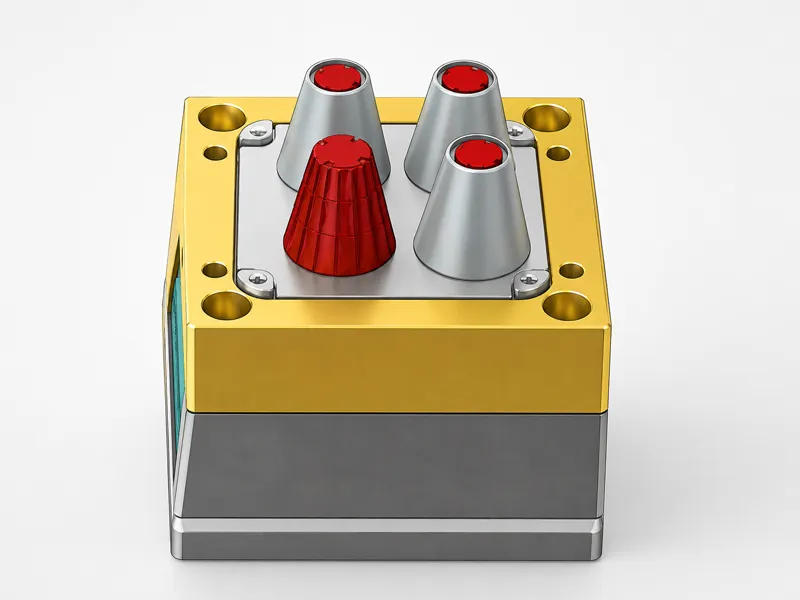
Confirm fit before cutting metal.
The drawing, tolerance points, forming angles, hole positions, assembly interfaces, and visible surfaces are checked before the tooling and mass-production process are released.
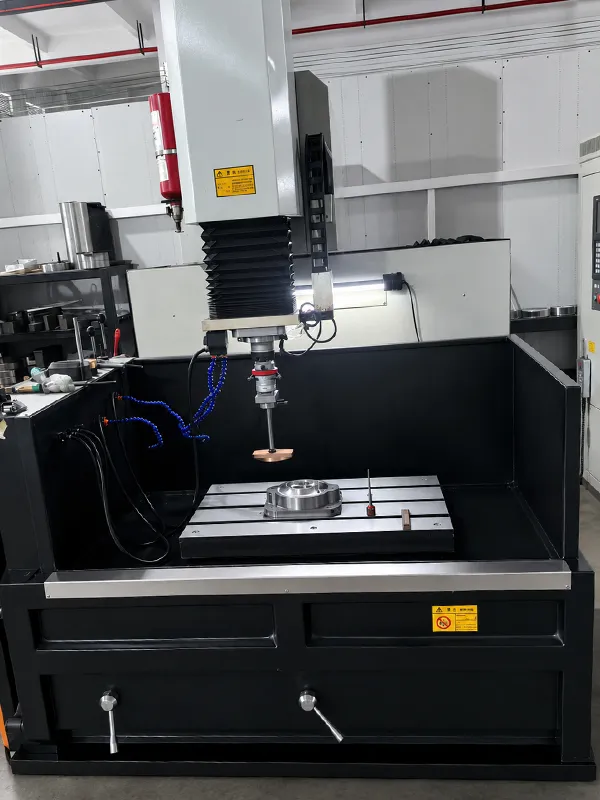
Prepare accurate tooling and fixtures.
Precision machining supports reliable location, punching, forming, and inspection. Proper fixtures help maintain repeatable dimensions and reduce variation during continuous production.
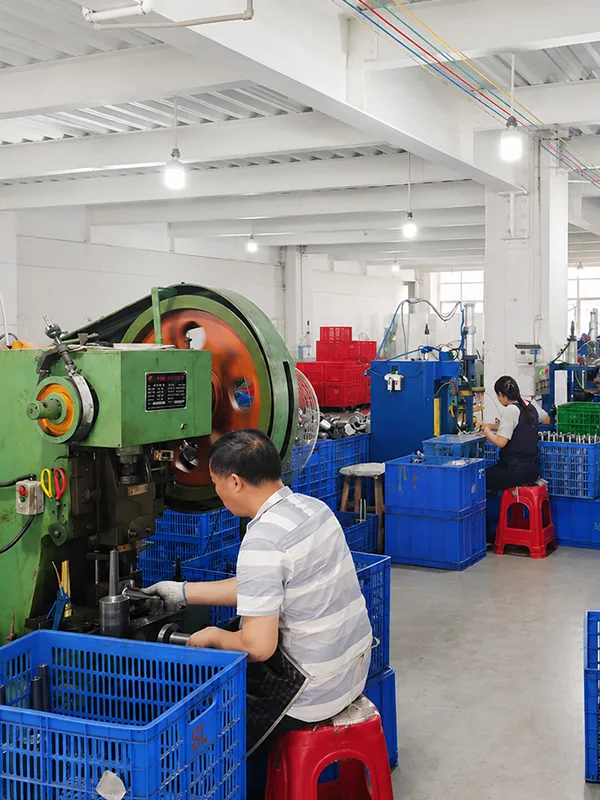
Shape the component to the approved geometry.
Stamping and forming create the profile, depth, angle, hole position, and structural shape of the component. The first article is checked before continuous production begins.

Finish hardware for visible lighting surfaces.
Electroplating is controlled against an approved surface reference. For visible components, color direction, coating coverage, texture, gloss, and batch consistency all affect the final lighting product.
Production Workflow
A normal production route with quality gates buyers can actually use.
The exact route will vary by material, component geometry, finalizar, and order quantity. These steps show the control points that matter most when a buyer needs reliable hardware rather than a one-time sample that cannot be repeated in bulk.
Technical brief and drawing confirmation
Confirm the latest drawing revision, cantidad objetivo, material, thickness, finish requirement, key tolerances, assembly method, and packing expectation. A single approved reference avoids production based on outdated or incomplete information.
DFM review and mould route
Evaluate whether the geometry can be formed efficiently, identify features that need special tooling or secondary operations, and confirm the practical route for punch holes, threads, welded points, bends, and decorative surfaces.
Material and tooling setup
Check material grade, thickness, surface condition, and batch consistency. Set the press, mould, locating points, and fixtures so the first production part can be measured against the agreed standard.
First-article inspection
Before full-volume production, inspect the first completed part for critical dimensions, flatness, height, hole position, edge condition, forming quality, weld position, thread usability, and visible appearance where relevant.
Stamping, forming and secondary operations
Run the approved process while monitoring the features most likely to shift because of tool wear or material change. Secondary operations can include trimming, punching, deburring, welding, tapping, and component joining.
Polishing, electroplating and finish comparison
Surface treatment is compared with the approved sample or appearance standard. For visible lighting hardware, color, texture, gloss, coverage, and visual consistency should be checked before the batch is accepted.
Final inspection and export packing
Check finished parts for appearance, fit, cantidad, damage, and packing condition. The packing method should protect finished surfaces, prevent deformation, separate components where needed, and keep accessories from being mixed.
Finished Lighting Applications
Hardware has different jobs in decorative lighting and project lighting.
The final environment determines what matters most. A component in a residential lamp may need refined visible finishing and stable shade alignment, while project lighting commonly requires repeated assembly, consistent appearance across many units, clear identification, and transport-ready packing.
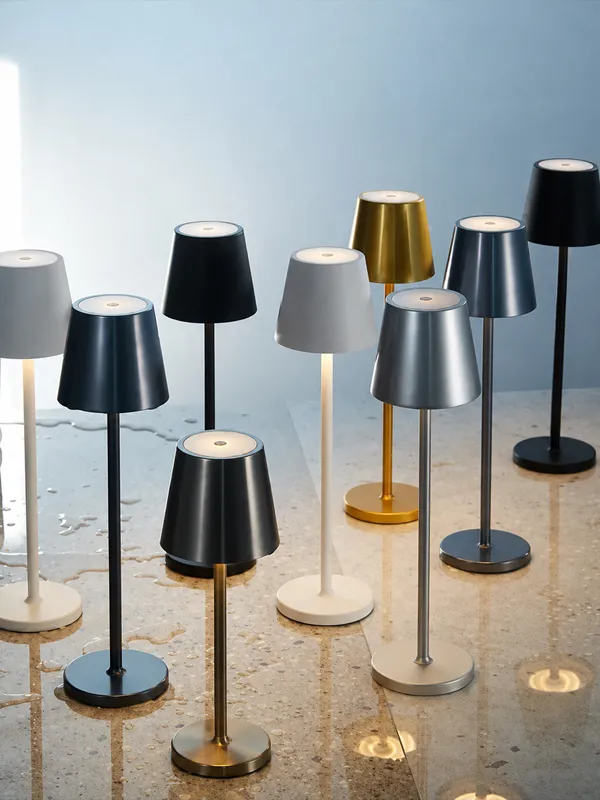
Hardware that supports the visible design.
In decorative lamps, metal bases, tubes, supports, covers, and fixing details are often part of the product identity. Fit, proportion, finalizar, stability, and the way each part meets the shade or lamp body must be considered together.

Hardware prepared for repeat installation.
For hotel, restaurant, and commercial projects, hardware needs to support consistent assembly across larger quantities. Buyers often focus on repeatable dimensions, stable finish quality, installation fit, spare-part identification, and transport protection.

Buyer Risk Controls
These approvals prevent the most expensive problems after production begins.
A custom hardware quotation is only the commercial starting point. The real protection comes from clarifying the technical reference, the approval process, and the acceptance criteria before full production starts. These controls help prevent disputes over dimensions, finalizar, assembly fit, or shipment condition.
Drawing revision and engineering changes
Mass production should follow one confirmed drawing or technical file. When a change affects tooling, fit, mounting, or appearance, it should be recorded and rechecked before it enters production.
Critical dimensions and functional fit
Identify the dimensions that affect mounting-hole spacing, glass or shade fitment, electrical clearance, thread engagement, alignment, or final assembly so inspection attention goes to the features that truly matter.
Approved electroplating and finish reference
Terms such as “antique brass” or “matte black” are too broad on their own. An approved reference gives both sides a practical standard for color direction, plating coverage, texture, gloss, and acceptable visual variation.
First article before full-volume release
A first article confirms the component’s geometry, connection details, and visible finish before the order moves into full production. This matters especially for new moulds, engineered parts, and project-specific finishes.
Packing matched to the component
Polished, electroplated, thin-wall, and irregular components need appropriate separation and support. Packing should be confirmed around vulnerable edges, surface sensitivity, accessory mix, and the actual shipping route.

For an Accurate Quote
Send the project details that allow us to quote the right manufacturing route.
You do not need a fully completed engineering package to start a discussion. A clear reference image, marked dimensions, existing sample, or rough concept can be enough for an initial review. But more complete information allows a more accurate evaluation of tooling, material, electroplating or finishing, production route, plazo de entrega, and batch cost.
Start Your Hardware Project
Bring us the drawing.
We will help build the route.
Send your drawing, sample photos, cantidad objetivo, or product concept. Our team will review the practical manufacturing route and identify the information needed to move from idea to a production-ready custom lighting hardware component.
Custom Lighting Hardware FAQ