
Pular para o conteúdo principal

Iluminação ANYAO

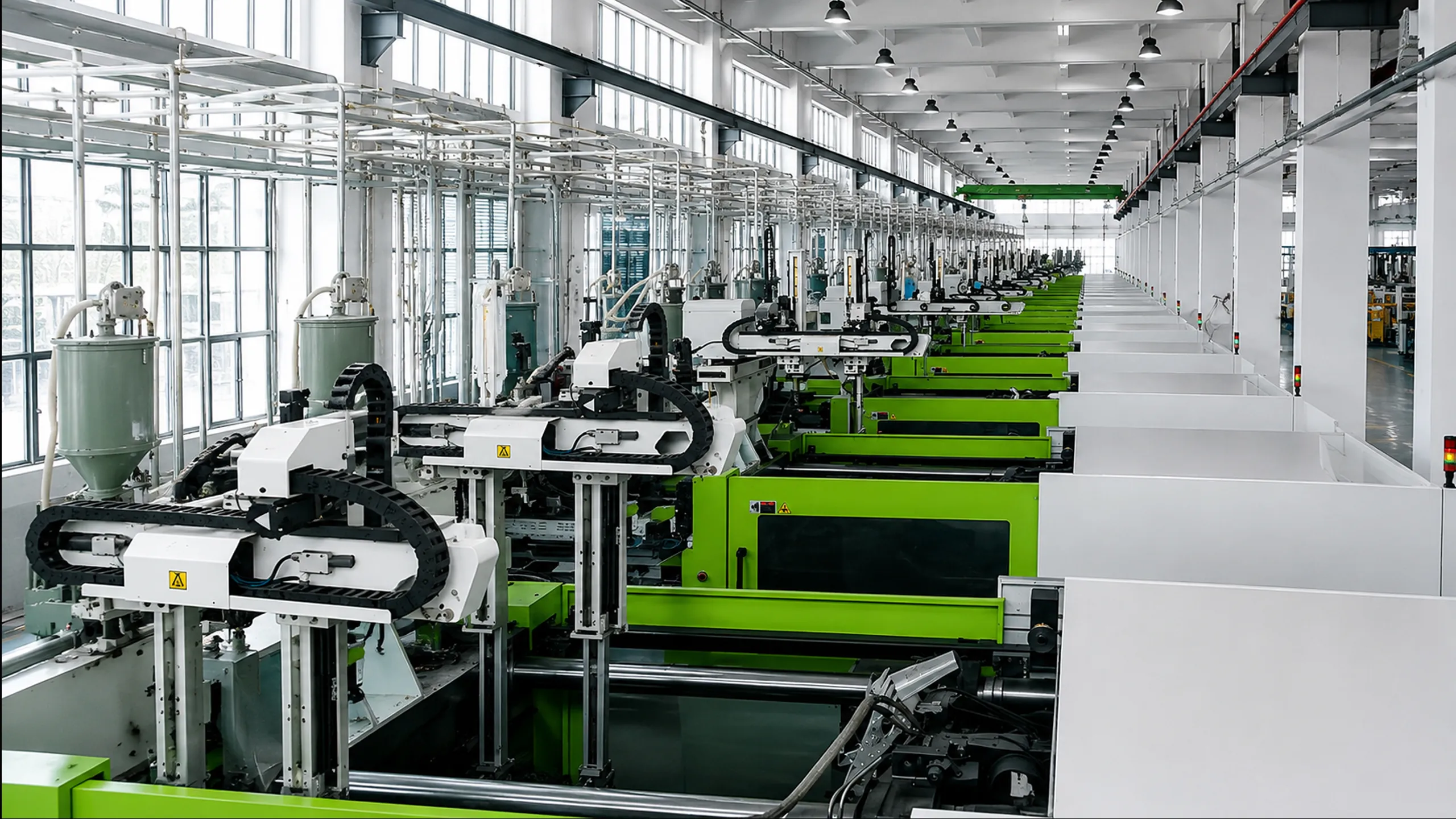
Automated injection molding production line for custom lighting components

ANYAO · Custom Injection Molding

Custom Injection-Molded Lighting Components.

From precision housings and diffusers to bases, shades, and structural parts, ANYAO turns lighting concepts into production-ready components built around your product, material, terminar, and quality requirements.

Precision
Manufacturing.

A reliable lighting product needs more than an attractive design—it needs a manufacturing system that keeps materials, mold accuracy, terminar, conjunto, and quality consistency under control.

Sustainable Design

Sustainable Custom Injection-Molded Housings, Built for Long-Term Product Value.

We support project-specific customization of environmentally responsible materials and structural solutions. Recycling considerations can be coordinated with material selection, additives and surface treatments, helping customers integrate sustainability into product design, appearance and end-of-life recovery.

01 / Eco Customization

Materials & Structures Customized to Your Project

Based on product use and sustainability requirements, we can coordinate housing materials, colors, structural design and surface finishing options.

02 / Material Identification

Prioritize Single-Material Design

Clearly identifiable material solutions can simplify downstream sorting, disassembly and recycling evaluation.

03 / Secondary Recycling

Support End-of-Life Product Recycling

For plastic components that are not mixed with incompatible materials or special composite treatments, recyclability can be evaluated according to the selected material type.

04 / Project Confirmation

Materials, Documents & Recycling Plans Confirmed Together

We can coordinate material grades, environmental documents and recycling requirements, with the final solution confirmed according to the technical evaluation of each project.

From Concept to Production

Custom injection molding begins with the complete lighting product.

A successful molded lighting component must do more than fit the drawing. It must support the product’s visual language, internal light source, assembly method, surface finish, thermal requirements, packaging plan, and repeatable production quality.

For lighting brands, importers, retailers, and project buyers, our process brings industrial design, structural engineering, rapid prototyping, ferramentas, and production execution into one coordinated development route.
Finished custom molded crystal table lamp From Component to Finished Product

Development Workflow

Resolve the details before they become production issues.

Each stage reduces uncertainty before bulk production—from product form and wall thickness to fit, assembly interfaces, material behavior, surface texture, and the final appearance of the completed lighting fixture.
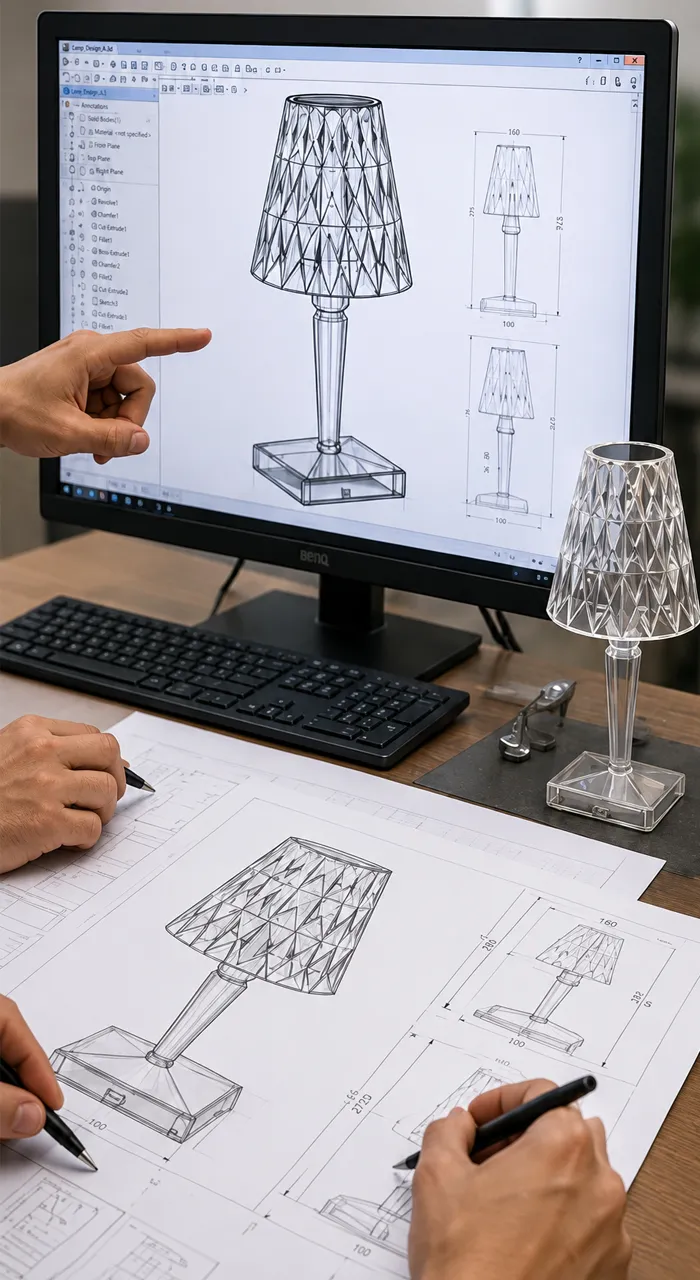
Custom lighting component product definition and structural design 01
Product Definition

Design intent and structure

Your reference image, dimensões, finish expectations, and functional requirements are translated into a practical development direction for the molded lighting component.
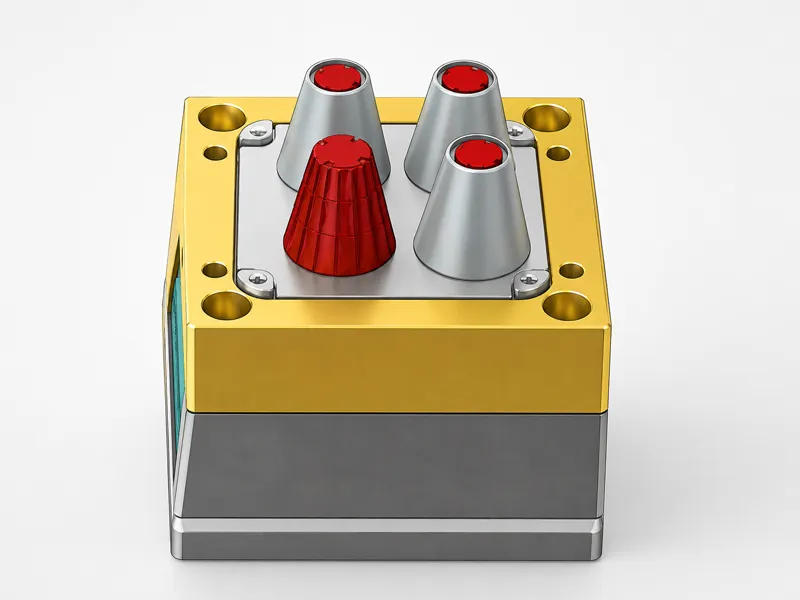
Precision tooling design for injection molded lighting components 02
Precision Tooling

Build the mold around the approved part

Mold structure, inserts, parting lines, ejection, and surface requirements are aligned with the approved component before first-article production.
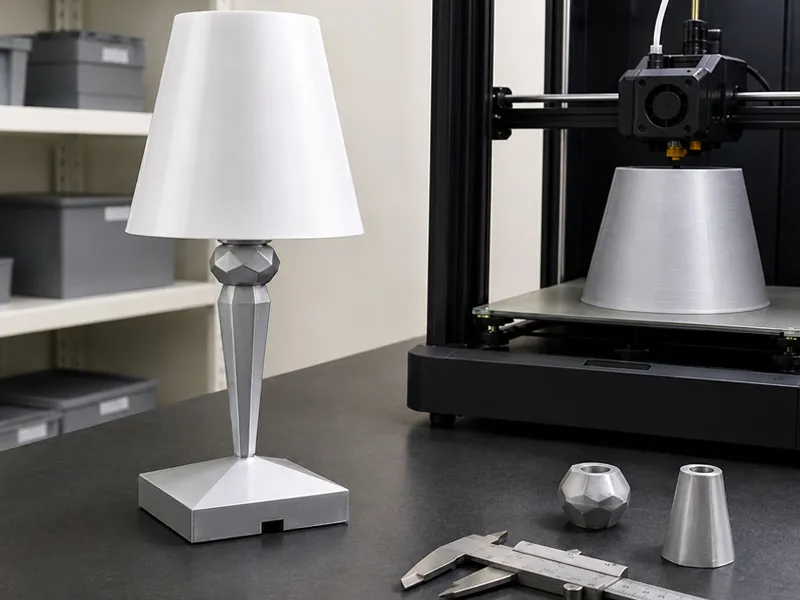
Rapid prototype review for a custom table lamp 03
Prototype Review

Check the product in the real world

Rapid prototypes make it easier to assess proportion, handling, part fit, shade shape, and the relationship between each component and the complete fixture.
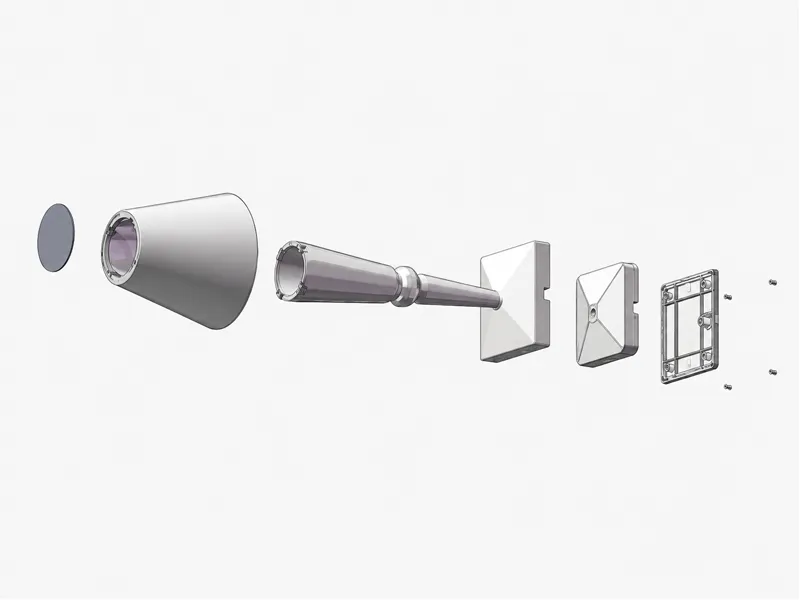
Exploded CAD structure for custom lighting parts 04
Assembly Alignment

Prepare every part for repeatable production

Component interfaces, fixing points, light-source space, and assembly order are checked to support consistent bulk manufacturing.

Digital 3D model verification for a custom molded table lamp

Digital Verification

See the component clearly before committing to steel.

Digital modeling is where a concept becomes specific. It gives buyers and development teams a common reference for proportions, joining details, transparency, texture, light transmission, and the way each molded part works with the complete product.

  • Review the visible form and the hidden structure in the same model.
  • Align dimensions, mounting details, and assembly logic before tooling.
  • Prepare the product for material selection, prototype sampling, and a clearer quotation route.

Production Release

Scale only after the critical details are under control.

Once the part, ferramentas, sample, and operating requirements are confirmed, production is managed around the details that protect your order: material identity, color and finish expectation, part appearance, assembly status, packing method, and inspection checkpoints.

  • Production aligned to the approved sample and defined component standard.
  • Clear checkpoints for appearance, dimensões, fit, and assembly quality.
  • Packing and shipment preparation planned for international B2B supply.
Production-ready molded lighting components prepared for shipment

Custom Lighting Components, Built to Scale

Bring your lighting idea into a manufacturing system built for repeatable production.

Whether you are developing a new private-label table lamp, a hospitality lighting collection, a rechargeable product, or a custom molded accessory, start with the product requirements and build the component plan from there.


Custom Injection Molding FAQ

Questions buyers ask before starting a custom molded lighting project.

These answers are written for lighting brands, importers, distributors, retailers, and project buyers sourcing custom injection-molded lighting components from China.

What custom injection-molded lighting components can ANYAO develop?

ANYAO can support the development of molded lighting components such as lamp housings, bases, shades, diffusers, covers, decorative structures, internal supports, battery compartments, switch areas, mounting parts, and custom assemblies. The development route is defined around the complete fixture, including the intended light source, assembly method, terminar, operating environment, and target quantity—not only the shape of one plastic part.

What should I provide when requesting a custom injection molding quotation?

The most useful starting information is a reference image, technical drawing, dimensões do produto, target market, expected quantity, preferred material or finish, and the functional requirement for the part. If you do not have a finished drawing, share the product concept, intended use, and any sample or inspiration image. That allows the development team to identify the next technical questions before prototype or tooling work begins.

How is injection mold design connected to the final lighting product?

The mold is only one part of the manufacturing system. Before tooling is finalized, the component structure should be reviewed for wall thickness, parting lines, ejector locations, assembly interfaces, snap fits, screw positions, light-source space, diffuser behavior, visible surfaces, and the expected finish. Resolving these points early helps the molded part fit the approved product design and reduces avoidable changes after steel has been cut.

What is the difference between a rapid prototype and a first-article sample?

A rapid prototype is mainly used to evaluate product shape, proportion, handling, assembly logic, and design direction before production tooling. A first-article sample is produced after the mold is developed and is used to review the actual molded result. Buyers typically use the first article to confirm appearance, dimensões, part fit, surface quality, and whether the approved design can move into repeatable production.

Can you support transparent, translucent, textured, or special-finish lighting parts?

Sim. Material and surface choices can be discussed around the intended lighting effect and product positioning. For example, a translucent diffuser, a transparent decorative shade, a matte housing, or a textured component will each affect light transmission, appearance, visible molding marks, and the final assembly. The best approach is to define the desired visual result first, then review material, wall thickness, mold finish, color, and light-source compatibility together.

How do you help keep bulk production consistent with the approved sample?

Consistency starts by treating the approved sample as a documented production reference. Critical details should be aligned before mass production, including material identity, color and finish expectation, visible surfaces, dimensões, assembly points, and packaging requirements. Production inspection can then focus on the items most likely to affect the buyer’s final product: appearance, fit, deformation, color variation, assembly quality, quantidade, and packing condition.

Can ANYAO support OEM, ODM, and private-label lighting projects?

Sim. For OEM projects, ANYAO can work from an existing design, drawing, or buyer specification. For ODM projects, the team can help develop the product direction from concept through sample and production. Private-label programs can combine custom components with requirements for finish, color, logo application, packaging, and a consistent product presentation for your target market.

What should international buyers confirm before placing a bulk order?

Antes da produção em massa, buyers should confirm the approved sample, final drawing or specification, material and finish requirements, target quantity, packing method, labeling, delivery plan, and destination-market requirements. If the product needs to meet a specific safety or compliance route, share that requirement during development so the lighting product, electrical configuration, documentation, and testing plan can be considered from the beginning.

Explore OEM / ODM Lighting Development